Tool signal brief
When Two Sneaker Photo Sets Are Not Comparable Yet
Two sneaker listings can each have plenty of photos and still be impossible to compare fairly. Learn when lighting, cropping, and missing views make a comparison premature.
Two sneaker listings can both look well photographed and still give you no fair basis for choosing between them. One seller uses warm indoor light. The other crops every side view just before the heel. One pair has a clean top-down photo; the other has only a dramatic angle that makes the toe look sharper than it probably is.
I do not call that a close comparison. I call it unfinished evidence.
Count the questions, not the photos
A listing with ten images is not automatically better documented than a listing with five. I look for whether each set answers the same basic questions: overall shape, lateral and medial profile, heel alignment, sole condition, size context, and the detail that matters for that model. If one seller has five angles of the same side and the other shows the rear clearly, the counts are irrelevant.
Before I add a winner in the sneaker comparison view, I mark the missing question beside the listing. “No rear photo” is more honest than pretending a soft side shot proves the heel.
Do not compare color under incompatible light
Color is where I catch myself making the fastest mistake. A cream upper can turn grey under a cool lamp; suede can look smoother in a filtered image; a dark outsole can disappear into a black background. If the color is the reason I prefer one pair, I want a neutral shot or a repeatable visual cue, not a confident guess from two unrelated rooms.
The same applies to material. A close-up can be useful, but only if I can place it back on the shoe. A texture crop without a full-shoe reference is evidence of texture, not evidence of the whole build.
Let “not comparable yet” be a result
Sometimes the useful next move is not another score. It is a request for one matched angle, or a decision to wait. If neither seller can supply the missing proof, I browse other sneaker options instead of rewarding the prettier photo set.
A comparison is only as fair as the questions both sides can answer. When the evidence is uneven, choosing later is usually smarter than choosing the listing that photographed itself best.
Signal-linked products
Products connected to this decision note for proof, price spread and QC next-action comparison.
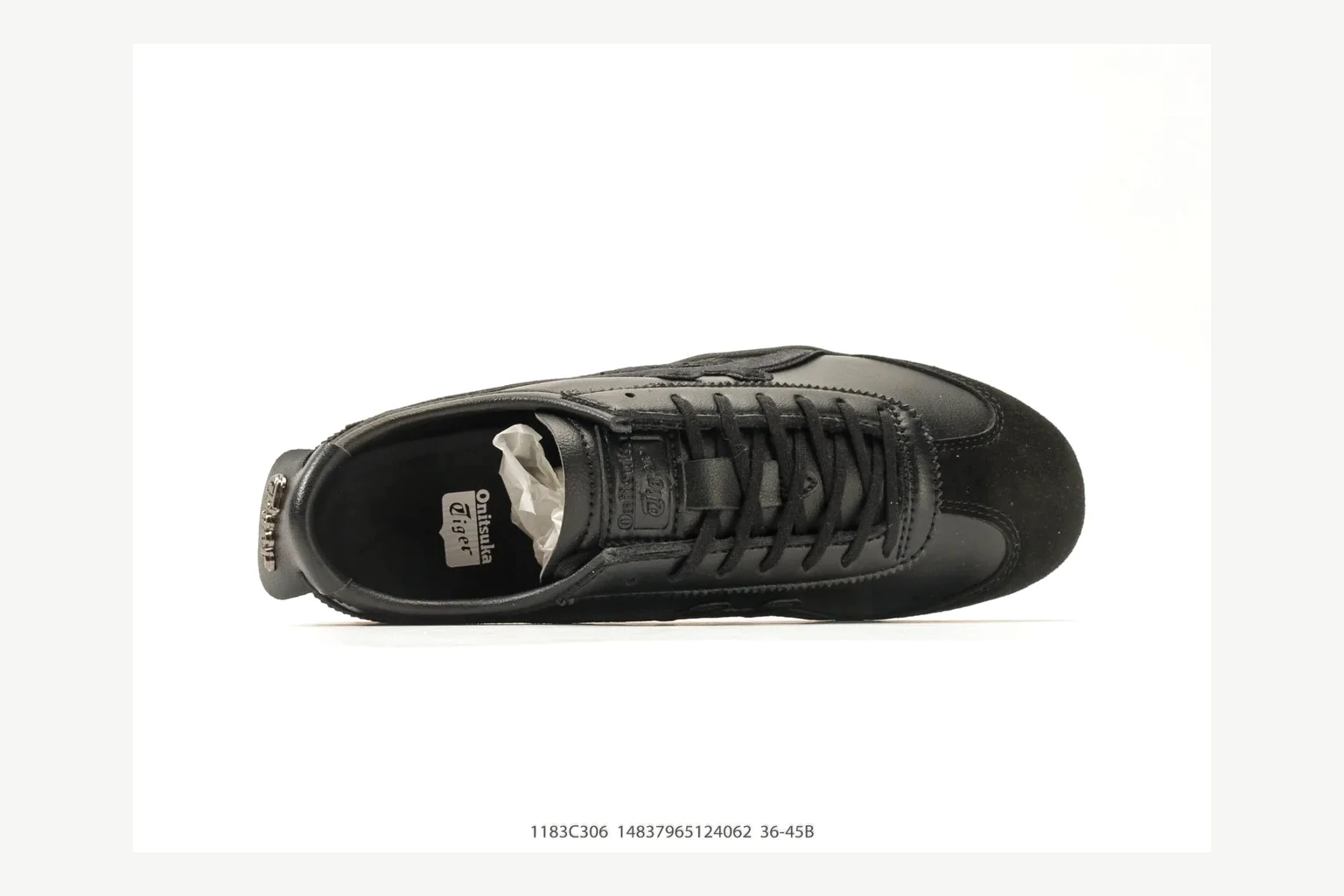 Sneakers
Compare the black Onitsuka Tiger low top
From ~$48.03 · Estimated agent price · Proof price checkpoint
Sneakers
Compare the black Onitsuka Tiger low top
From ~$48.03 · Estimated agent price · Proof price checkpoint
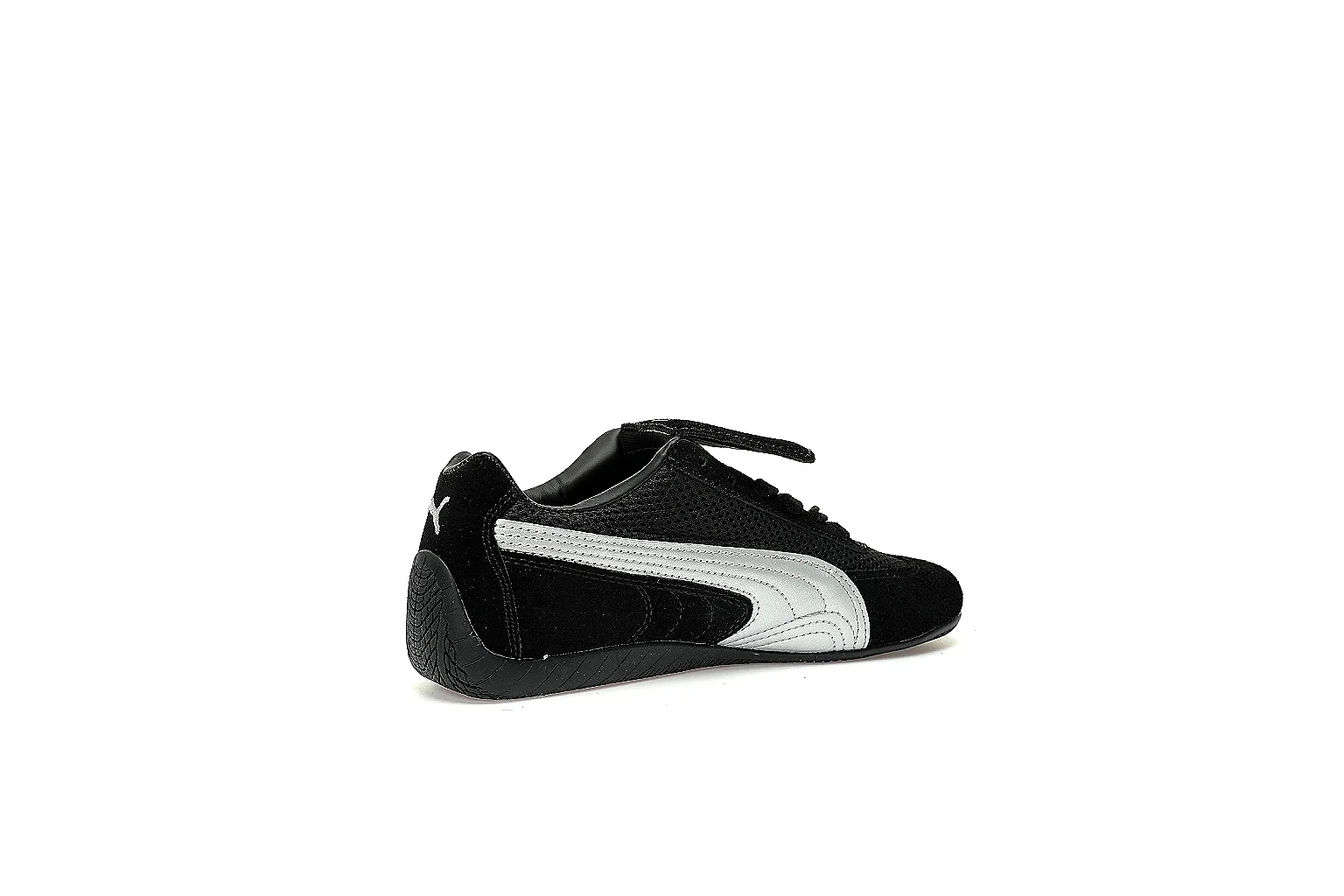 Sneakers
Puma Black White Low-Top Scout Check
From ~$80.06 · Estimated agent price · Proof price checkpoint
Sneakers
Puma Black White Low-Top Scout Check
From ~$80.06 · Estimated agent price · Proof price checkpoint
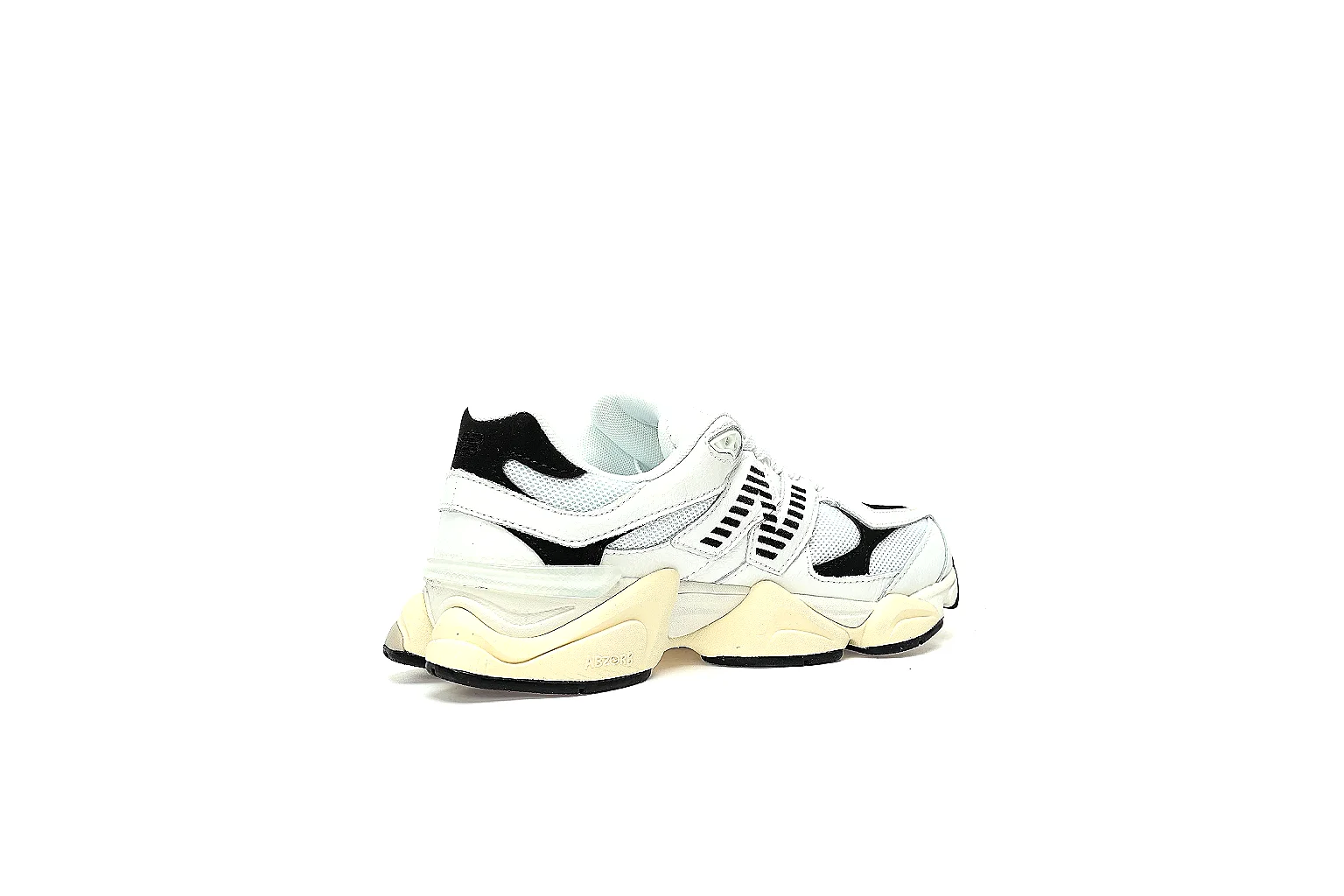 Sneakers
New Balance 9060 White Black QC and Price Scout
From ~$67.25 · Estimated agent price · Proof price checkpoint
Sneakers
New Balance 9060 White Black QC and Price Scout
From ~$67.25 · Estimated agent price · Proof price checkpoint
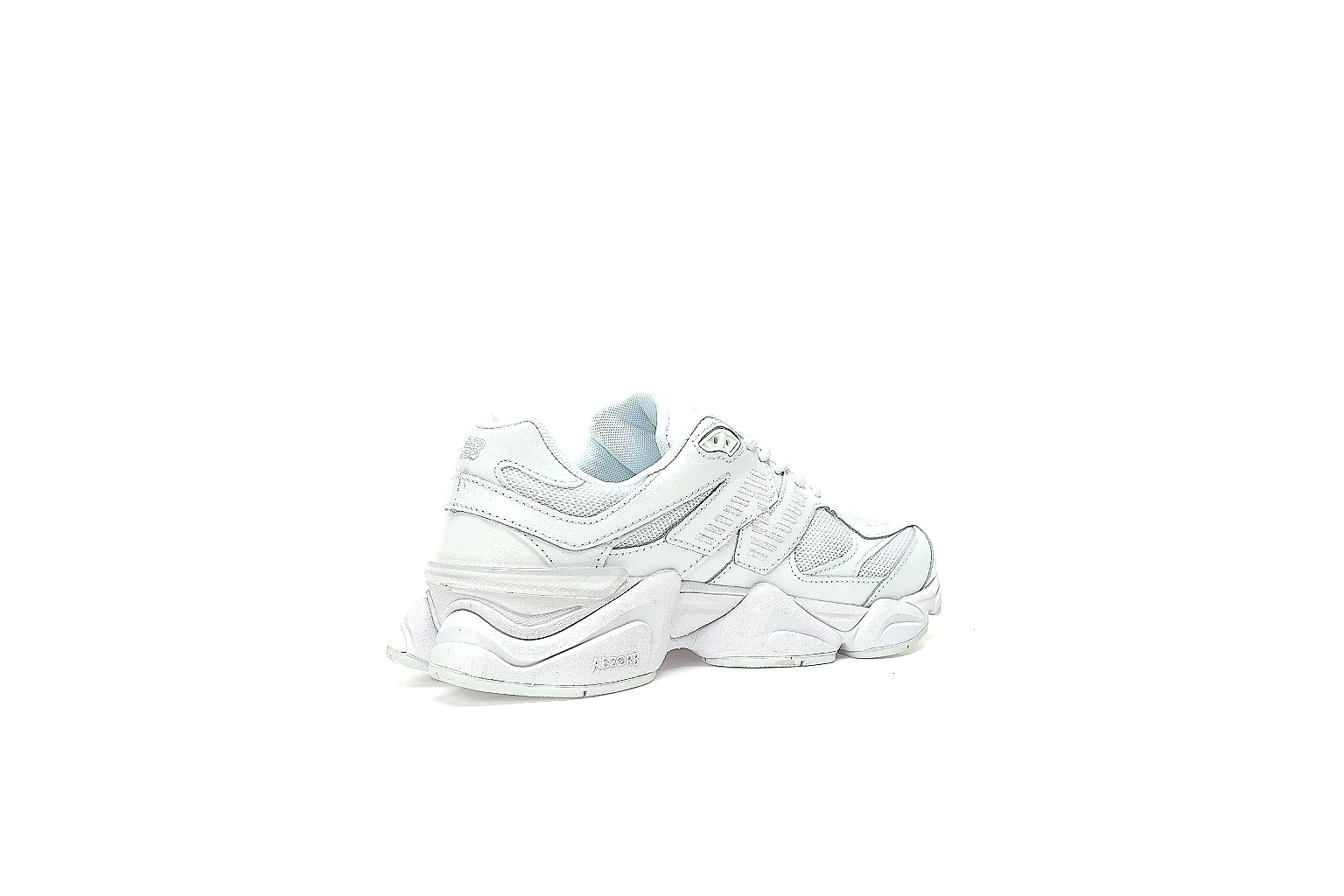 Sneakers
New Balance 9060 White Runner Price and QC Signals
From ~$67.25 · Estimated agent price · Proof price checkpoint
Sneakers
New Balance 9060 White Runner Price and QC Signals
From ~$67.25 · Estimated agent price · Proof price checkpoint