Tool signal brief
The Layering-Space Check I Add to a Knitwear Comparison
Two knitwear listings can share a chest measurement and still layer very differently. Compare the intended base layer, armhole room and rib tension before choosing.
I once compared two sweaters by chest width and called them nearly identical. One fit over a T-shirt. The other pulled across the upper arm as soon as I added the same layer. The number was not wrong; it was simply answering too small a question.
For knitwear, I add a layering-space check to the comparison. The first line names what goes underneath: bare skin, a thin tee, or a collared shirt. Without that line, “relaxed fit” is mostly decoration.
A compact comparison card
Chest evidence: Is the number measured flat across the garment, and is the knit stretched or resting? A soft knit photographed under tension can borrow several centimeters that will not feel like usable room.
Upper-body space: I look for shoulder shape, armhole depth and upper-sleeve width. Raglan sleeves forgive more variation than a sharply set shoulder. A narrow armhole can defeat a generous chest measurement.
Hem behavior: A tight ribbed hem pulls fabric back toward the body. That can be useful under a jacket, but it also changes the drape compared with a straight or split hem.
Layering verdict: I write “tee only,” “shirt likely,” or “unclear.” The word “unclear” is allowed to win. It means the cheaper listing has not yet earned the comparison.
What the photos should prove
A folded product photo shows color and surface texture. It does not show how the garment hangs. I prefer one front view hanging naturally, one side or three-quarter view, and a close photo of the cuff or hem ribbing. If the seller only shows a heavily clipped silhouette, I lower my confidence rather than imagining the missing shape.
That makes browsing the knitwear category less tiring. I can dismiss a beautiful listing when it has no usable shape evidence, and keep a plainer one whose measurements and photos agree.
Price comes after the room question
I do not give a low price credit for a fit I cannot describe. If the cheaper sweater works only over bare skin while I need an office layer, it is not the cheaper solution. Conversely, I do not pay extra for a roomy label when the actual armhole and sleeve numbers are absent.
Once one candidate has a clear layering verdict, I carry it into the buying route notes and check the source, selected size and next action. The useful winner is not the sweater with the largest number. It is the one whose space matches the layer I will really wear.
Signal-linked products
Products connected to this decision note for proof, price spread and QC next-action comparison.
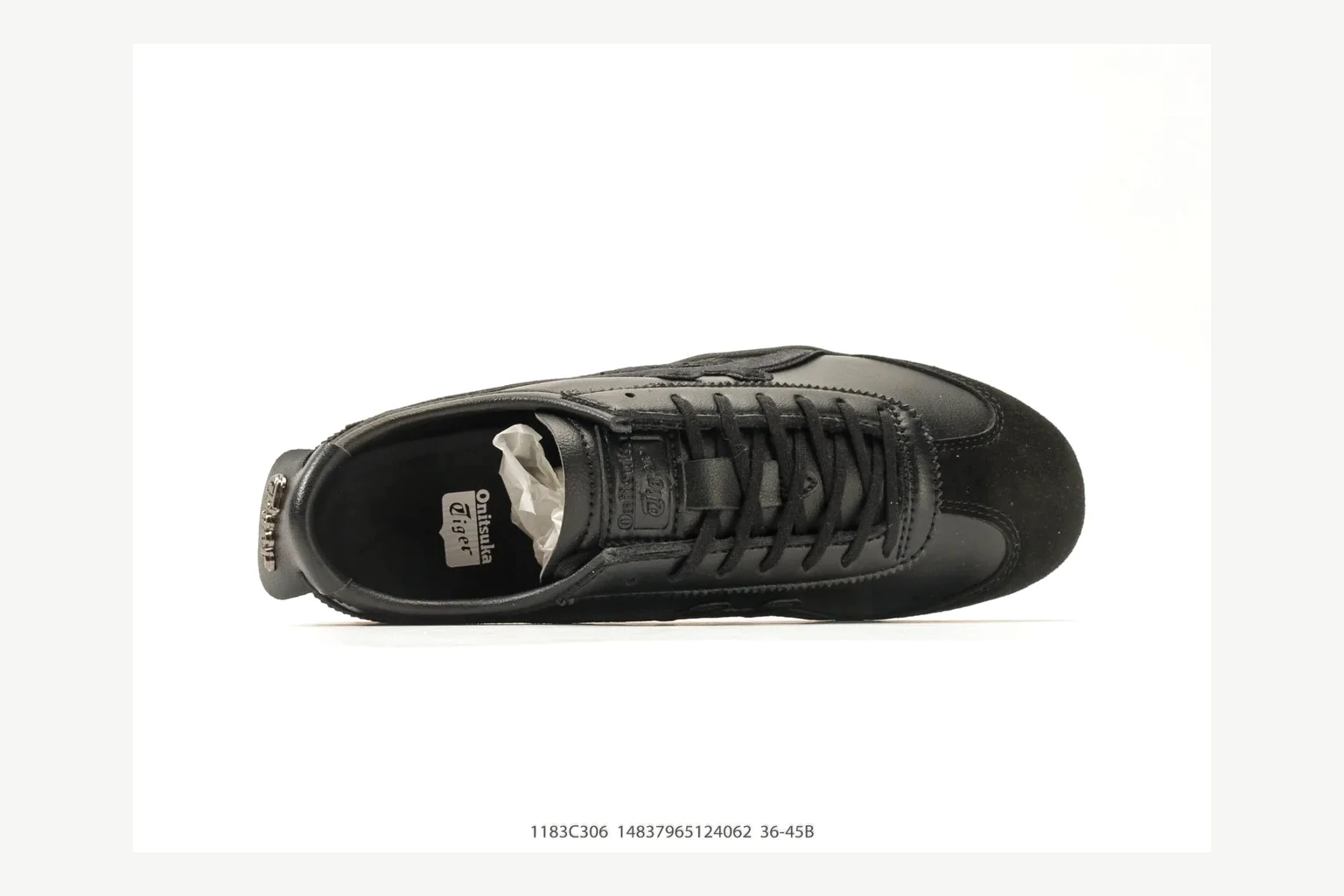 Sneakers
Compare the black Onitsuka Tiger low top
From ~$48.03 · Estimated agent price · Proof price checkpoint
Sneakers
Compare the black Onitsuka Tiger low top
From ~$48.03 · Estimated agent price · Proof price checkpoint
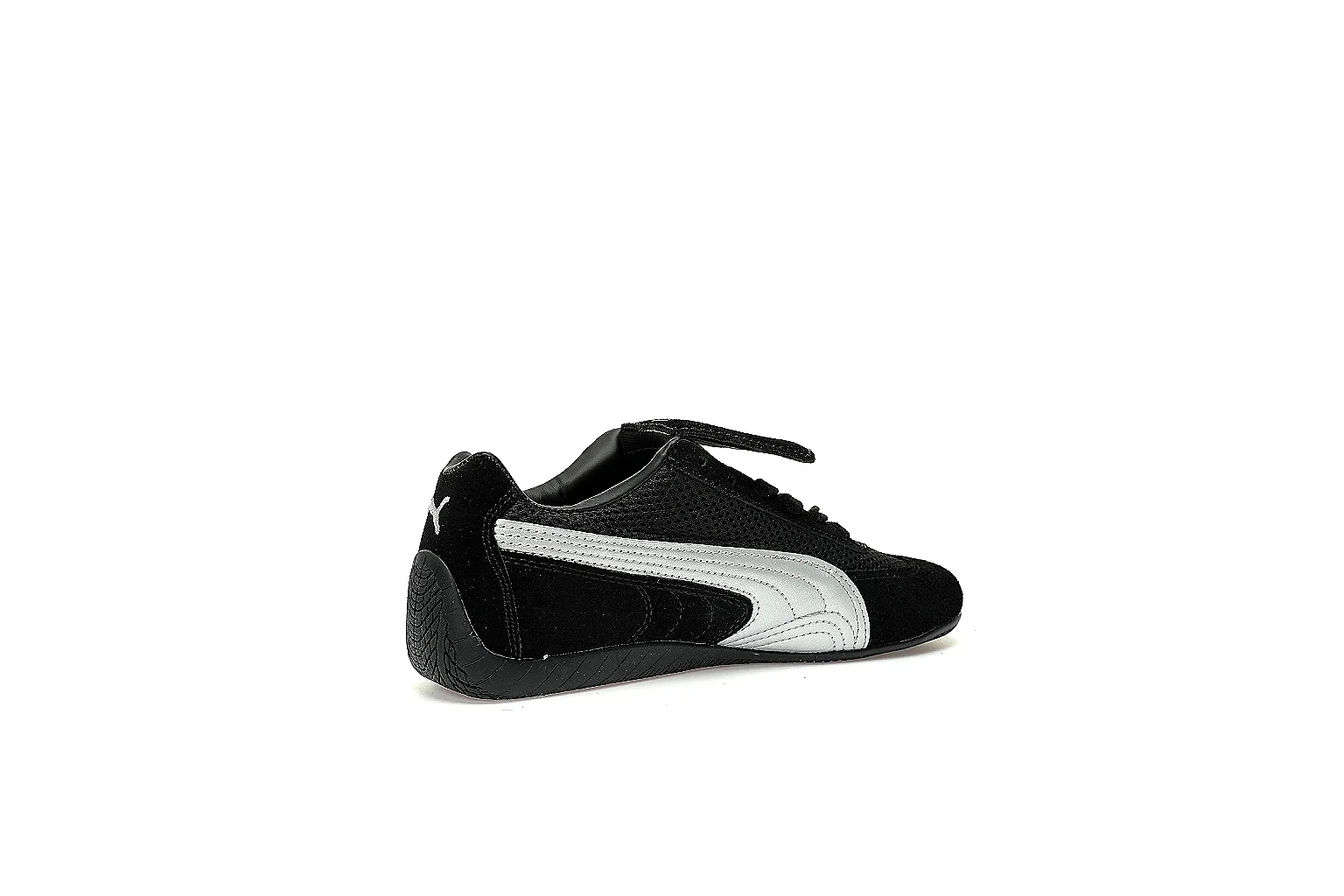 Sneakers
Puma Black White Low-Top Scout Check
From ~$80.06 · Estimated agent price · Proof price checkpoint
Sneakers
Puma Black White Low-Top Scout Check
From ~$80.06 · Estimated agent price · Proof price checkpoint
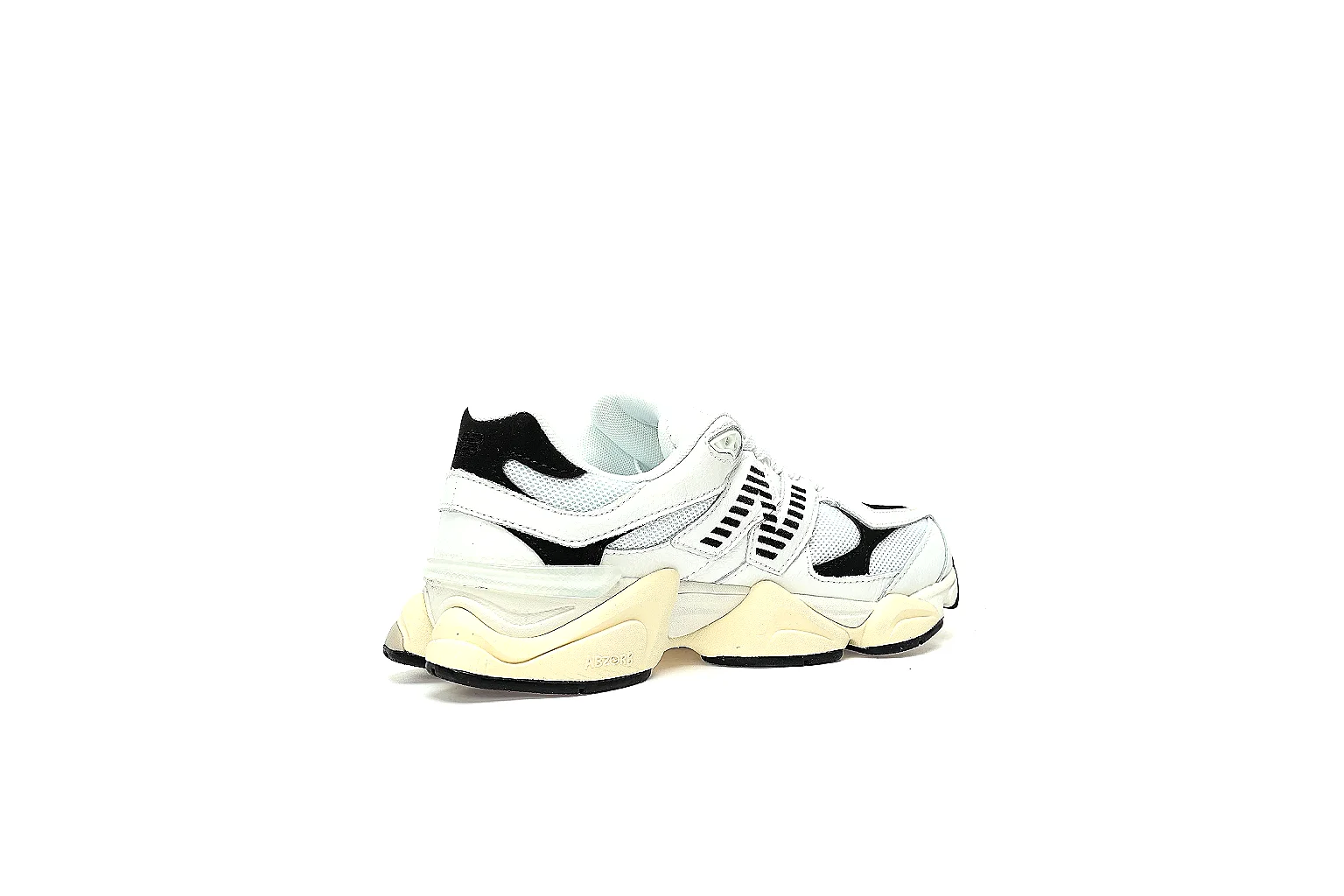 Sneakers
New Balance 9060 White Black QC and Price Scout
From ~$67.25 · Estimated agent price · Proof price checkpoint
Sneakers
New Balance 9060 White Black QC and Price Scout
From ~$67.25 · Estimated agent price · Proof price checkpoint
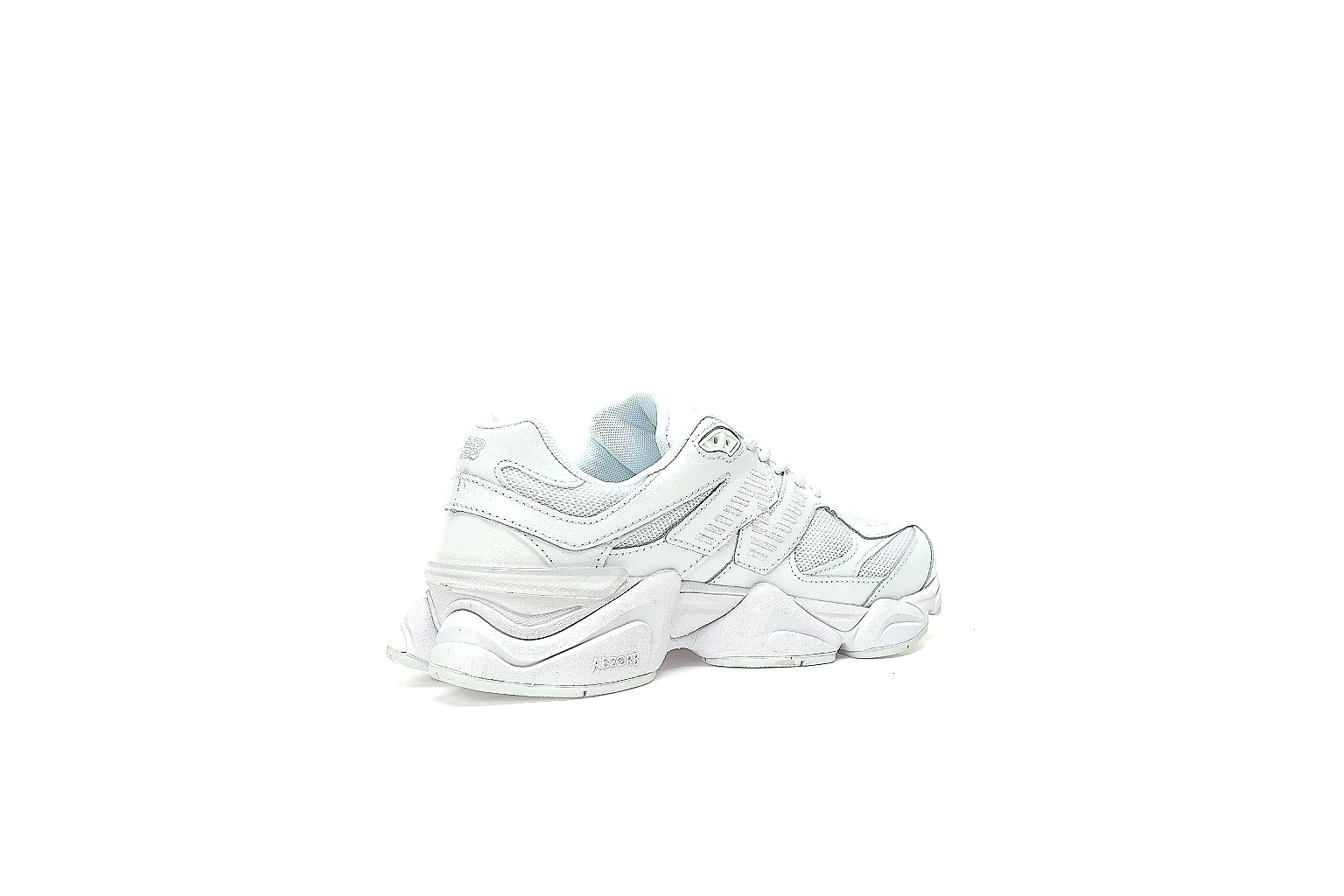 Sneakers
New Balance 9060 White Runner Price and QC Signals
From ~$67.25 · Estimated agent price · Proof price checkpoint
Sneakers
New Balance 9060 White Runner Price and QC Signals
From ~$67.25 · Estimated agent price · Proof price checkpoint