Tool signal brief
When a Bag Looks Cheap but the Proof Is Thin
A low bag price is only useful when the photos answer the questions that matter: shape, hardware, strap, interior and scale.
The bag that causes trouble is often not the expensive one. It is the cheap-looking one with three flattering photos and no clear view of the parts you would actually inspect.
On the Kako Scout bag comparison board, I use price as a starting signal, not a verdict. A lower number can make a row worth checking, but thin proof should lower its score before it reaches checkout.
Score the missing evidence
Give each bag zero, one or two points in five areas:
- Shape: Does the bag keep its outline from front to side view?
- Hardware: Are clasp, chain, zipper or feet visible at a useful distance?
- Strap: Can you judge width, attachment points and drop length?
- Interior: Is there enough evidence for lining, pockets or edge finish?
- Scale: Do the photos give a believable sense of size?
A bag with a low price and a low proof score belongs in “request evidence,” not “great deal.” That small label change keeps the number from doing all the thinking.
Compare like with like
The olive structured top-handle signal needs shape and handle evidence more than another front-facing glamour image. If the side view is missing, I would wait. Structured bags can look convincing from the front while the gusset, handle drop or base shape tells a different story.
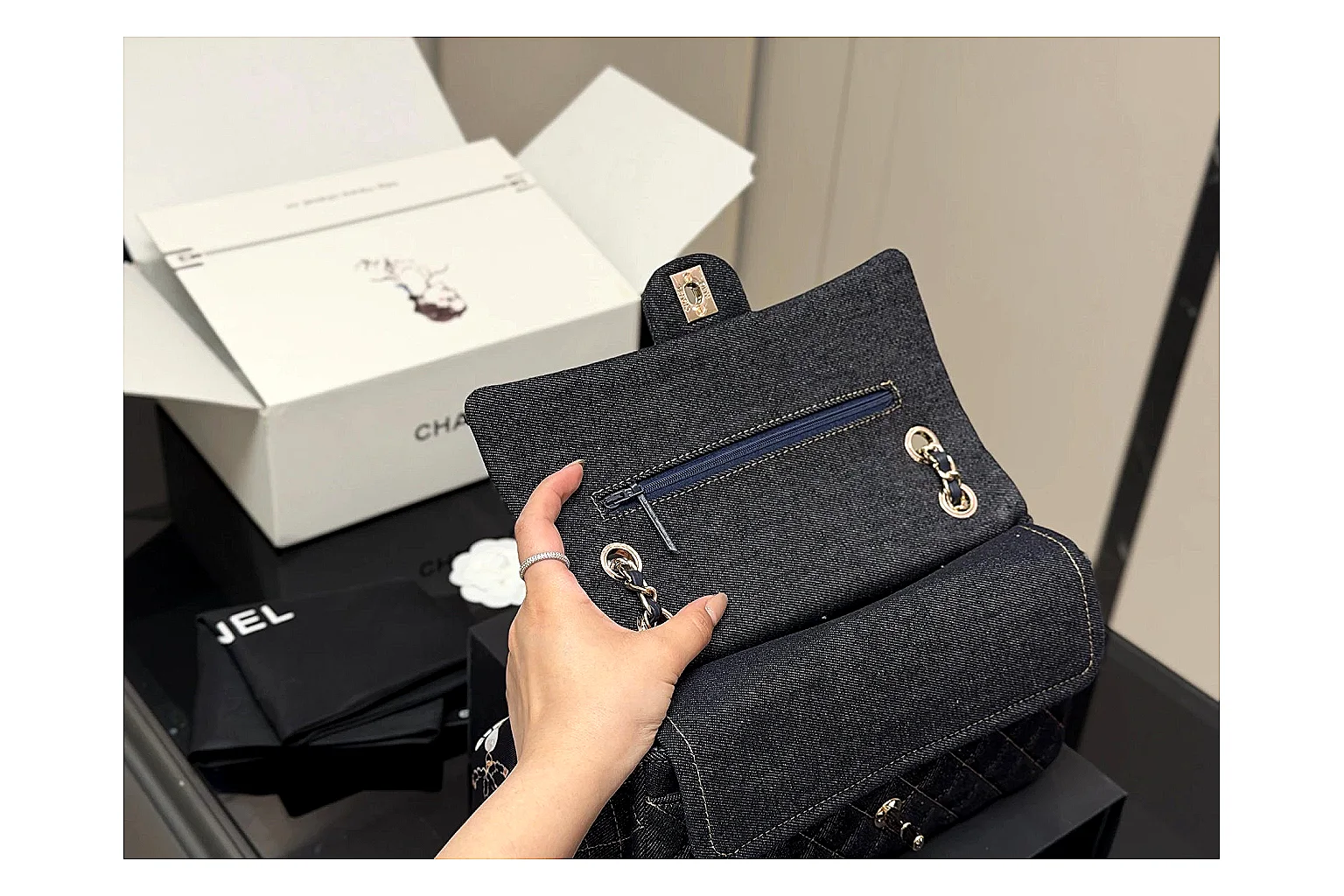
For the dark quilted flap bag signal, compare the chain, flap edge and quilt alignment. The price may be close to another black bag in the board, but the useful question is which row gives clearer evidence for the same intended use.
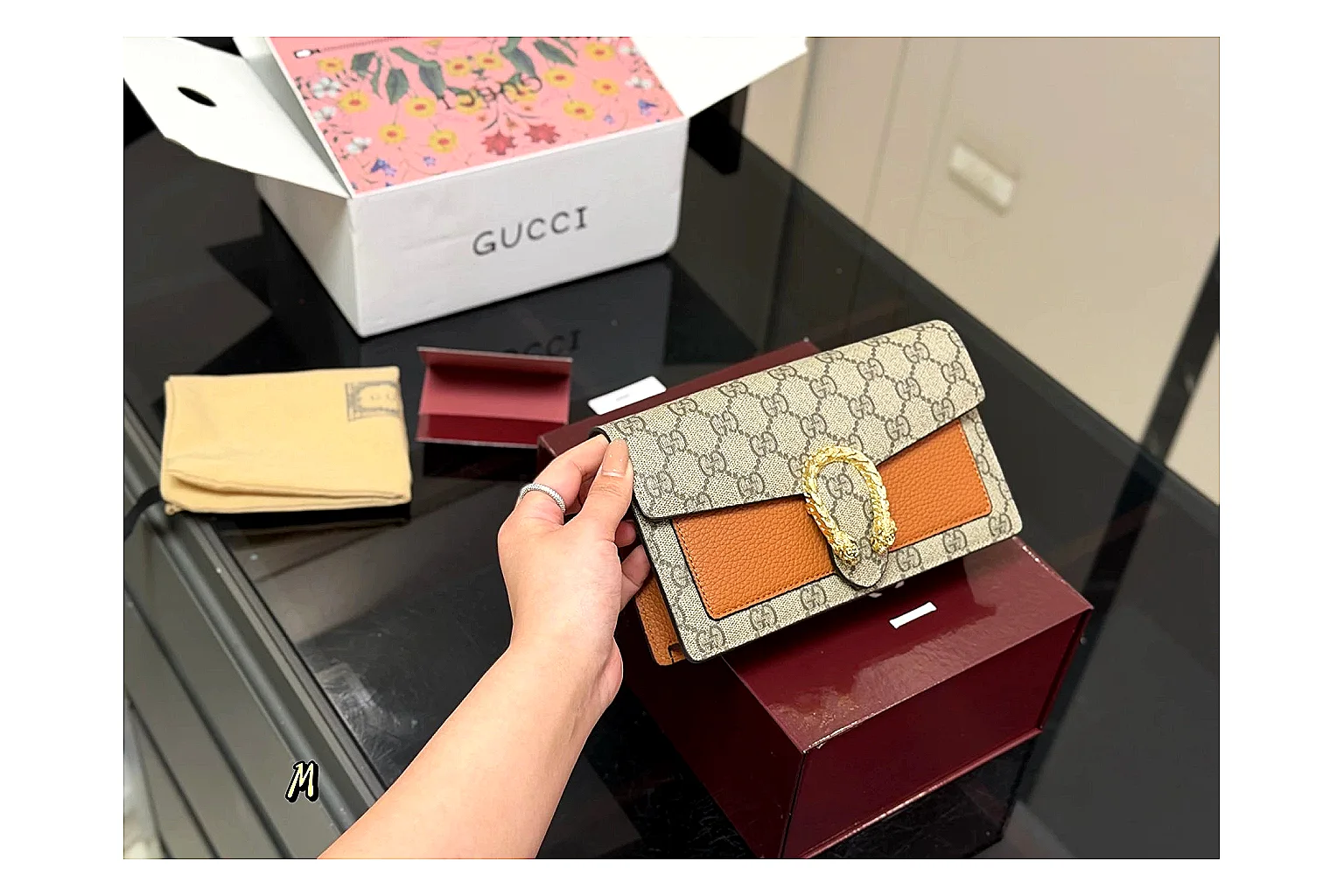
The beige wallet-set signal needs a different comparison. Here, count what is actually shown and decide whether the set is useful enough to justify extra parcel space. A low unit price can lose its advantage when the second piece is only a duplicate you will not carry.
One score is not the decision
Keep the five-area score beside one plain sentence: “I would buy this if…” or “I would skip this unless…”. If the sentence asks for a missing photo, the next action is obvious. If it only says “cheap,” the row is not ready.
That is the point of the comparison board: narrow the decision until price, proof and parcel use agree. When they do not, save the row and wait for better evidence instead of rewarding the cheapest thumbnail.
Signal-linked products
Products connected to this decision note for proof, price spread and QC next-action comparison.
 Bags
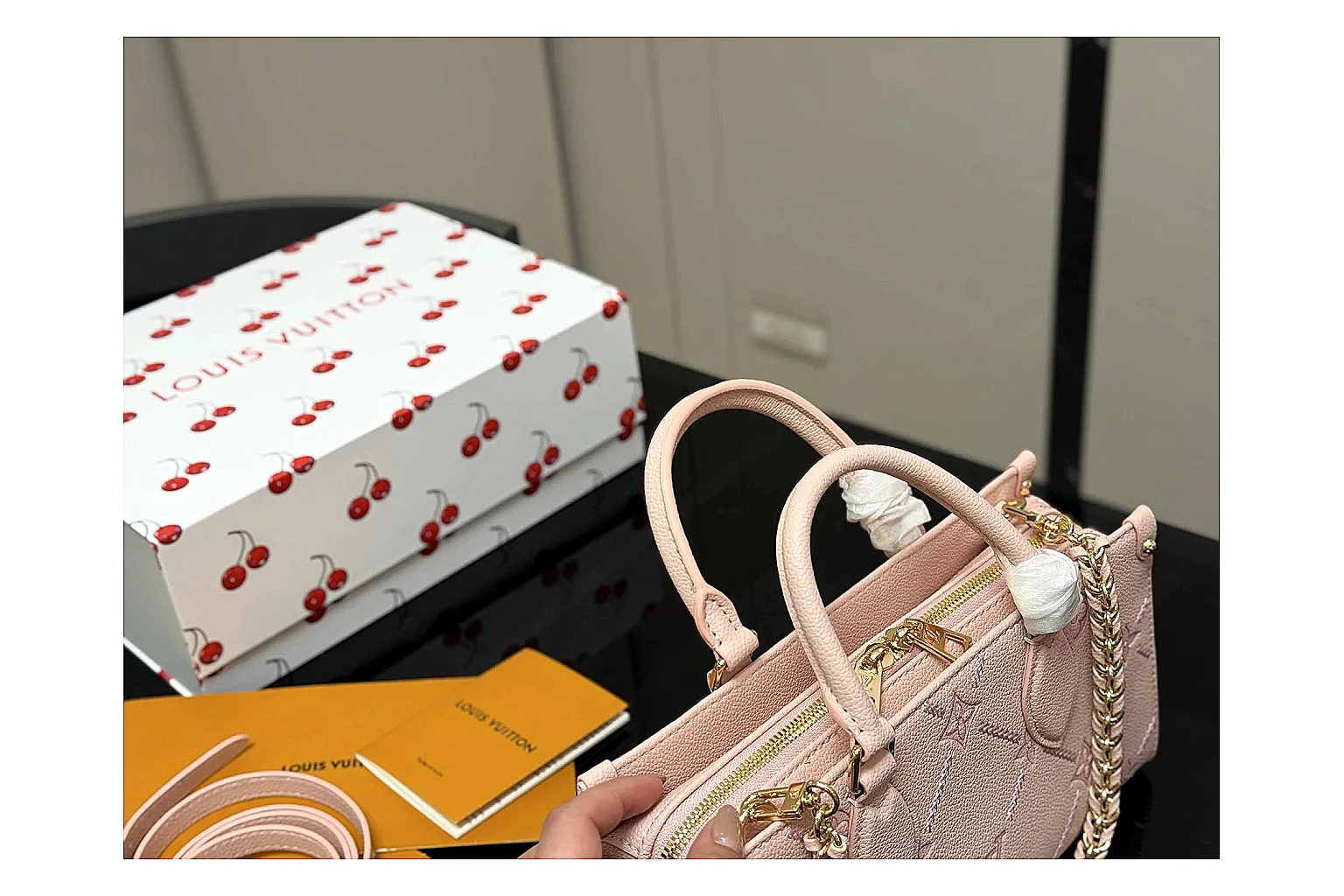
Louis Vuitton Mini Top Handle Pink Price and QC Scout
From ~$70.45 · Estimated agent price · Proof price checkpoint
Bags
Louis Vuitton Mini Top Handle Pink Price and QC Scout
From ~$70.45 · Estimated agent price · Proof price checkpoint
 Bags
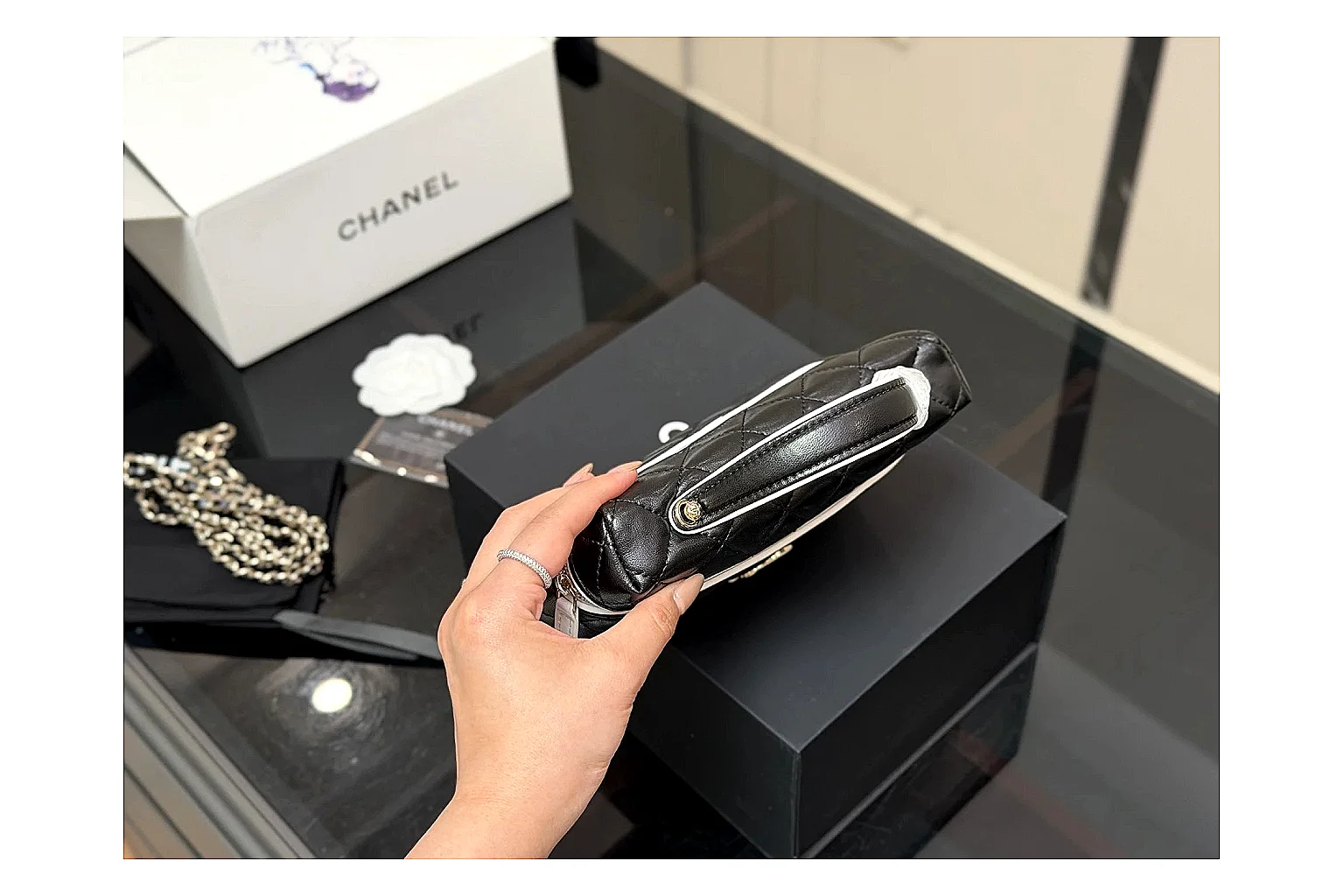
Chanel Wallet On Chain Black Price and QC Scout
From ~$64.04 · Estimated agent price · Proof price checkpoint
Bags
Chanel Wallet On Chain Black Price and QC Scout
From ~$64.04 · Estimated agent price · Proof price checkpoint
 Bags
Chanel Quilted Flap Bag Black Navy Price and QC Scout
From ~$70.45 · Estimated agent price · Proof price checkpoint
Bags
Chanel Quilted Flap Bag Black Navy Price and QC Scout
From ~$70.45 · Estimated agent price · Proof price checkpoint
 Bags
Gucci Wallet Set Beige Multi Price and QC Scout
From ~$52.84 · Estimated agent price · Proof price checkpoint
Bags
Gucci Wallet Set Beige Multi Price and QC Scout
From ~$52.84 · Estimated agent price · Proof price checkpoint